

Technical Documentation Expanded Across More Industrial Applications
Ask about the same grease, and an electronics factory wants to know whether it will volatilize and contaminate optical components, an automotive parts maker asks whether it still turns at -40°C, and a semiconductor equipment customer opens with cleanliness class and extractables. The material is the same — but each industry needs answers on a completely different wavelength. Our technical documentation used to be organized by product model: parameters complete, yet often missing the points customers actually care about. Recently, XIFUTE carried out a round of expansion and reorganization of its technical documentation along application scenarios — now covering a noticeably wider range of industries.
What changed in this round is how the documentation "speaks". Previously each model had one TDS — all the data was there, but how to use it was left to the customer's own interpretation. Now, besides the basic datasheet, each key model carries application information organized by scenario: for electronics & electrical, electrical performance, temperature ratings and impact on precision components are highlighted; for automotive parts, performance under high/low temperature cycling, vibration and long-term lubrication takes the lead; for machinery & equipment and industrial maintenance, load capacity, wear resistance and relubrication intervals are the protagonists. Customers entering from their own industry see content directly relevant to their operating conditions — no more digging through piles of parameters themselves.
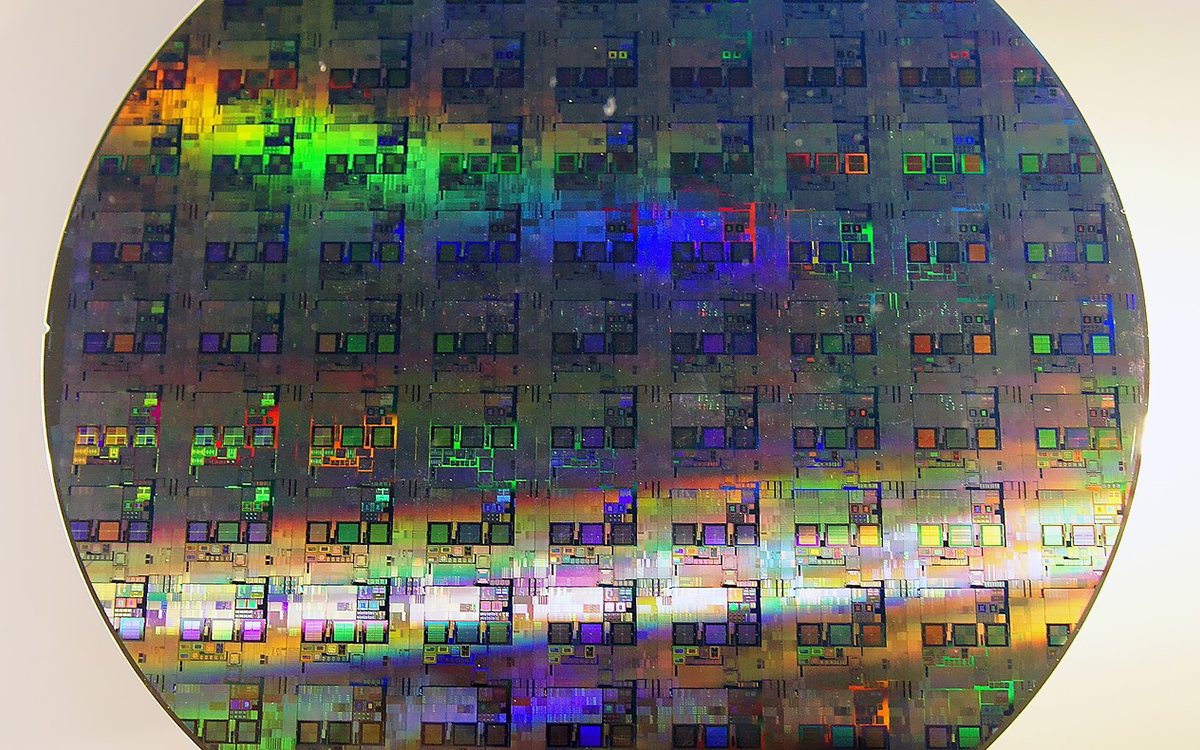
Semiconductor processing and precision manufacturing were the two areas most heavily reinforced this time. These customers ask the toughest questions — purity specifications of fluorochemicals, low-molecular extraction from silicone materials, ionic content of adhesives — and any question left unanswered stalls the selection. During the reorganization, the technical team completed and verified model-specific data, compliance documents and typical application records one by one, and dedicated scenario sections were created in the library. When customers ask now, the answer is no longer "let us confirm and get back to you", but a ready-made answer with a traceable source.
Scenario-based documentation has another benefit: selection conversations start from a higher baseline. Before reaching out, customers have usually already reviewed the documentation for their industry, so the dialogue cuts straight to specific operating conditions — which substrate, what temperature, how much load. On that foundation the technical team narrows down candidates with notably better efficiency and accuracy. The documentation also accumulates practices and precautions from typical applications, giving new customers with similar conditions a ready reference.
Of course, scenario documentation lives on updates. New industries and processes keep emerging, and customer needs keep changing. XIFUTE has made the scenario sections permanently maintained content: newly confirmed application cases are continuously added, regulatory and brand document updates are tracked in sync, and website product content is progressively aligned to this scenario framework. The more scenarios the documentation covers, the easier it is for customers to find their own fit.
Between "finding materials" and "using them well" lies the work of translating material knowledge into the language of each customer's industry. This round of reorganization is a new starting point — and XIFUTE will keep writing this "translation manual" thicker.